Skip to content
Nikko Tickets & Stays

Explore Nikko

The best time to visit Nikko, season by season

October and early November, for the autumn colour, which starts at Yumoto in early October and reaches the shrines in late October or early November; it is also the busiest time. Late May and June are green and quieter, summer is cool at the lake, and winter is snowy and calm, with some lake hotels and the boats closed.

  • 4.7/5 3,800+ GetYourGuide reviews of the 11 tours we list
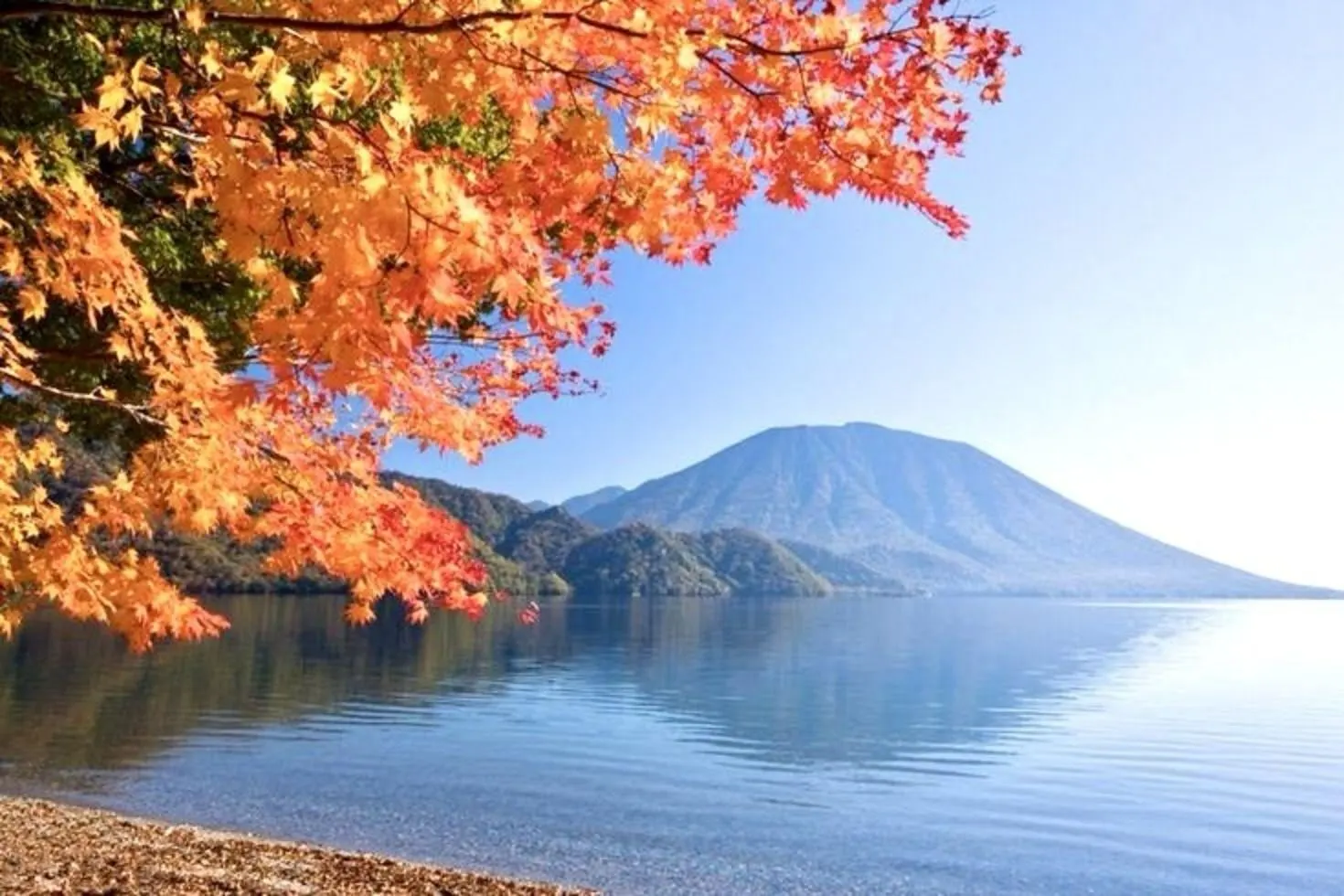
Mount Nantai across Lake Chuzenji, framed by maple leaves
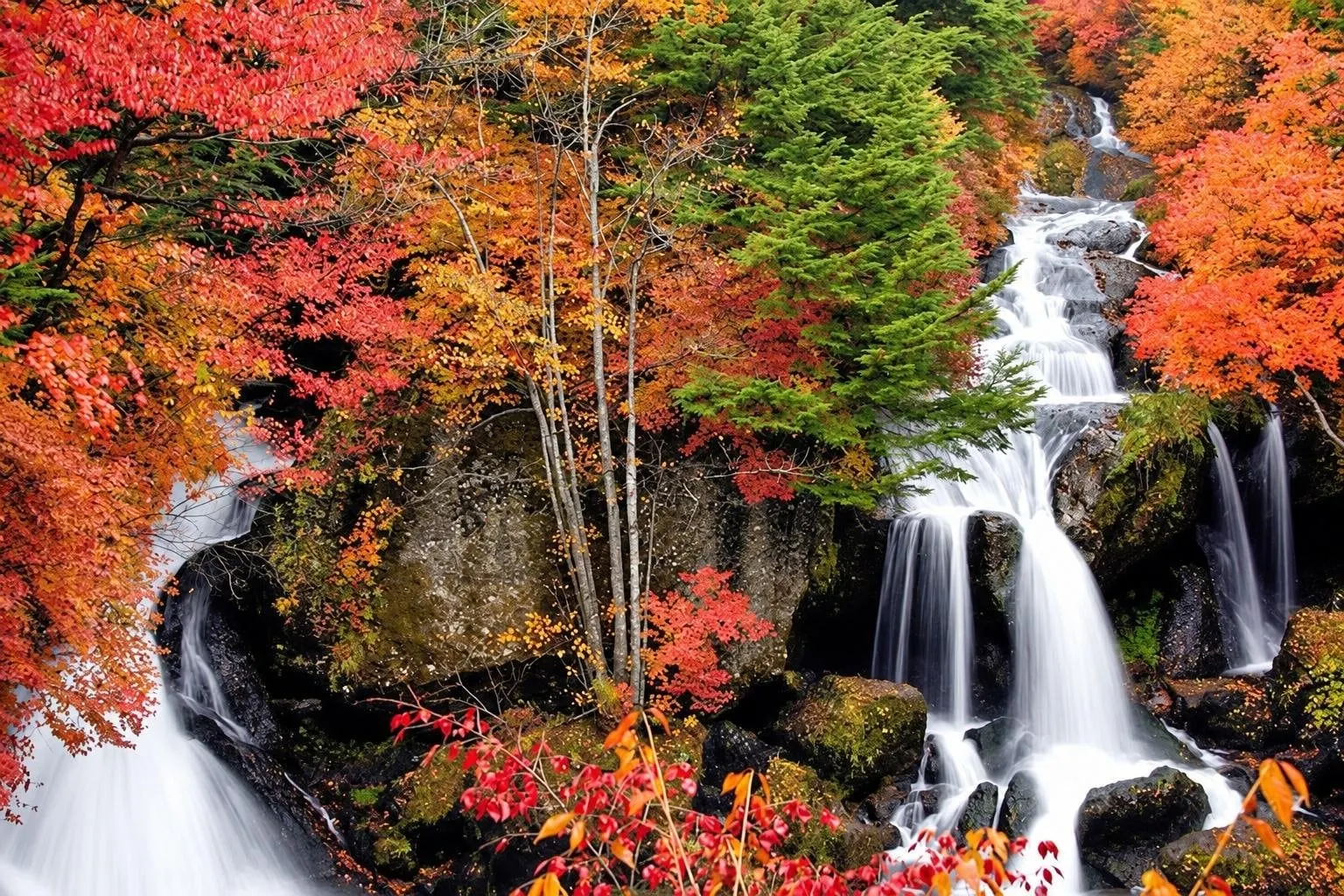
Ryuzu Falls through autumn maples
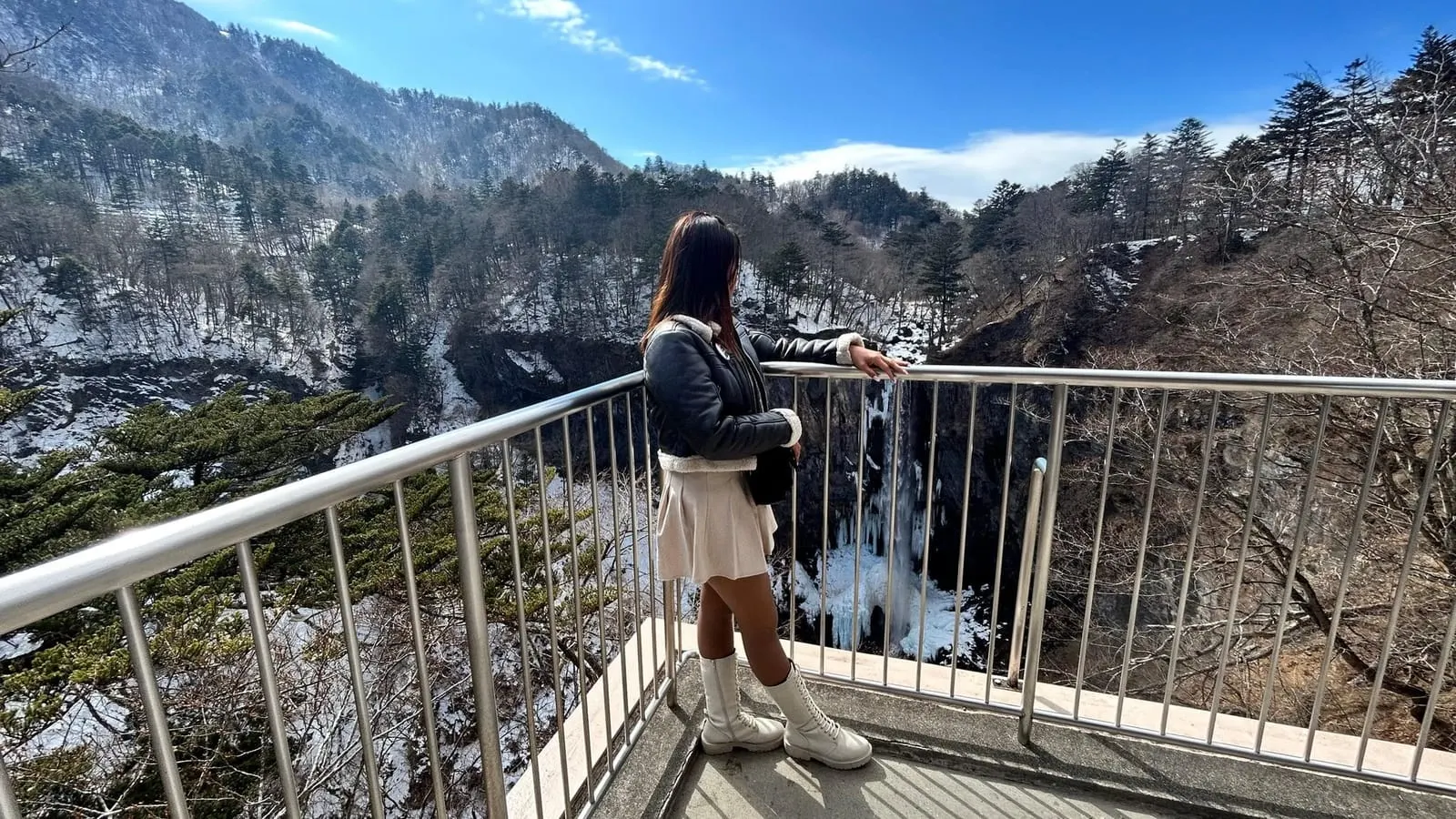
Looking down on Kegon Falls from the viewing platform in winter

Autumn: October and November

Nikko is one of the most famous places in Japan for autumn leaves because the colour climbs down the mountain over five or six weeks: Yumoto and Senjogahara turn in early October, Lake Chuzenji, Kegon Falls and the Irohazaka in mid to late October, and the shrines and the town in late October and early November.

It is also when the Irohazaka road is at its worst on weekends, and when hotels by the lake sell out first. Book early, go midweek, and stay a night rather than doing it all in a day.

Nikko autumn leaves: when and where the colour turns

Spring: April to June

Cherry blossom comes late to Nikko, in the second half of April in the town and later up the mountain, and Golden Week at the start of May is crowded. From mid May to June the forest is fresh green, the azaleas flower at Senjogahara and the lake, and the boats are running again from mid April. June brings the rainy season, but the cedars and moss at the shrines look their best in it.

Summer: July and August

At around 1,270 metres, Lake Chuzenji is several degrees cooler than Tokyo, which is why diplomats built summer villas on its shore. It is a good time to walk Senjogahara and climb Mount Nantai, whose trail is open in the warmer months. Afternoon thunderstorms are common; start walks early.

Hotels in Lake Chuzenji

Winter: December to March

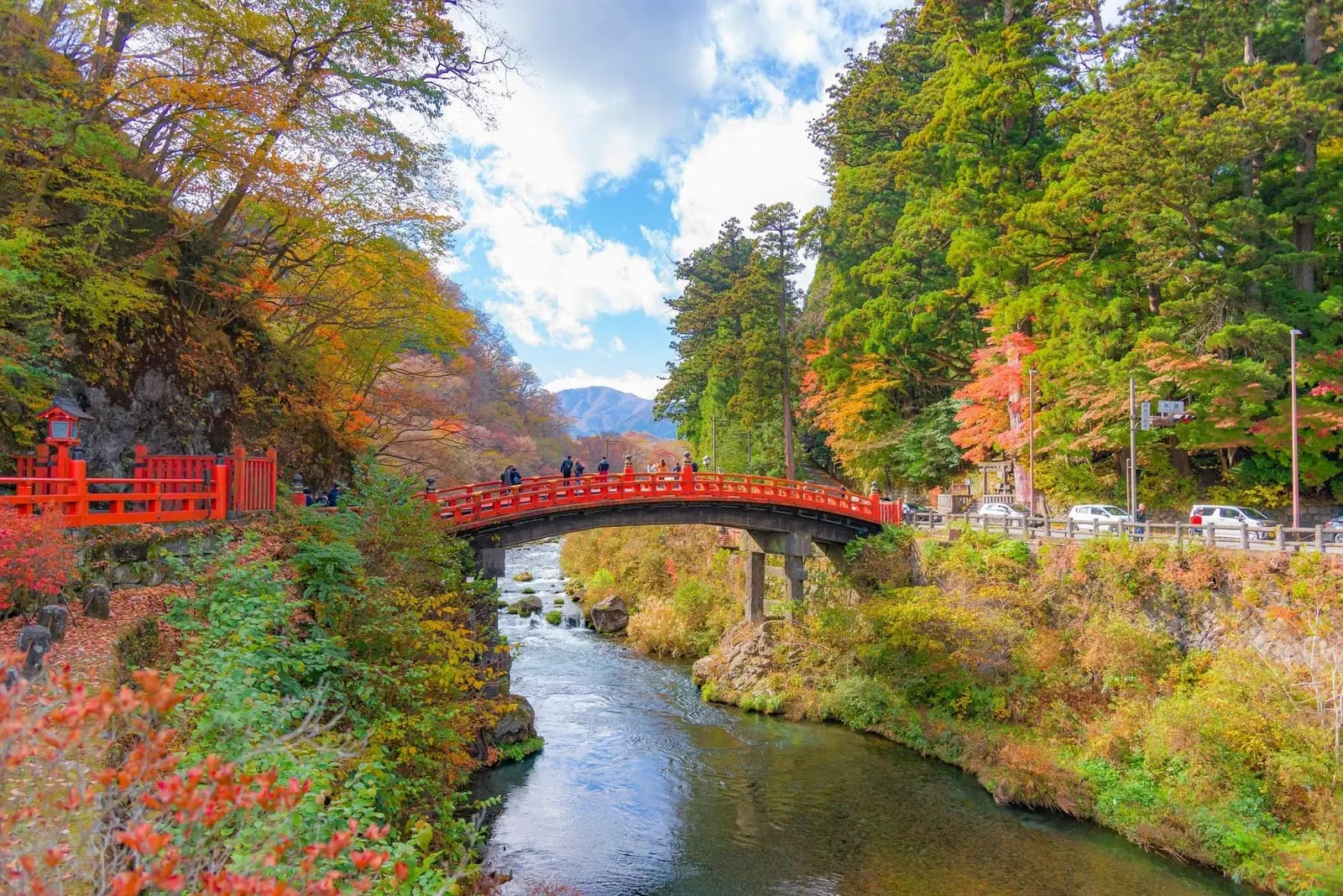
Snow on the shrines and the red Shinkyo Bridge, Kegon Falls partly frozen and an onsen afterwards: winter is the quietest season and the cheapest for hotels. The lake boats stop from December to mid April, some hotels at the lake close, and the Irohazaka and roads beyond can be icy, so check the buses. Yumoto has a small ski area.

Which days to avoid

Weekends and public holidays in October and early November are the busiest days of the year, and Golden Week in early May is the second. Toshogu's spring and autumn grand festivals, with a procession of more than a thousand people in samurai costume, fall in mid May and mid October and are worth planning around, either way.

Our take on each: Nikko day trip from Tokyo: Toshogu, Kegon Falls and Lake Chuzenji · Private Nikko tour from Tokyo to Ryuzu Falls and Lake Yunoko.

Questions

When is the best time to see autumn leaves in Nikko?

Early October at Yumoto and Senjogahara, mid to late October at Lake Chuzenji, Kegon Falls and the Irohazaka, and late October to early November at the shrines and in the town.

Is Nikko worth visiting in winter?

Yes, for snow on the shrines, frozen falls and quiet onsen at low prices; the lake boats and some lake hotels close, and mountain roads can be icy.

When is Nikko least crowded?

Weekdays in winter, late May and June, and outside the autumn weekends and Golden Week.

More for your trip

Sources: japan-guide.com, japan-guide.com, japan-guide.com, tobu.co.jp, visitnikko.jp. Checked October 2026.